

Lessons From the Fast
A little bit of asceticism goes a long way.

This year, Ramadan and Lent coincide. These two great spiritual traditions align on the basic insight that a little bit of asceticism goes a long way. Learning to discipline the desires is liberating, whereas the hedonistic pursuit of whim and fancy makes one a slave. On this, just about every spiritual tradition converges. In order to grow, we need restraint, just as a tree grows strong and bountiful by pruning.
And so, over the course of the next month, billions of souls around the world will give something up in the Name of something greater — an ancient bargain that is known to enrich the spirit. For the unbridled appetite is insatiable like a fire that grows ever greater the more it consumes. But you were not merely meant to consume. You are not merely a consumer. Fasting is a reminder.
Coincidentally, we’re also beginning to see the most powerful and influential, at least by worldly measure, tremble as the evidence of their ungodly indulgences on a certain island come to light. Men who would walk as lords upon the Earth, brought low by their own passions and lack of self-restraint.
"Desires make slaves out of kings and patience makes kings out of slaves." – Al-Ghazali
Between self-restraint and self-expression, psychotherapy is ambivalent. In it’s commitment to truth, psychotherapy as praxis is agnostic; the psychotherapist’s role is not to dictate truth, but to facilitate its discovery. However, given that there exist competing assumptions about human flourishing, different currents of psychotherapy inevitably incline towards one moral framework or another.
Critics of psychotherapy consider it the ideological progenitor of the sexual revolution and claim the field advocates for unrestrained libido. However, while Freud discussed relaxing taboos, he also argued that self-restraint was a necessary condition for civilization and thus could not be dispensed with entirely. A product of the positivism of his time, Freud’s greater omission was not recognizing the transcendent dimension of Man. Others after him turned his theories about whats ails us into a prescription, an endeavour of liberation, imposed on society writ large. Social mores have changed, and we’re as anxious as ever.
No, psychotherapy is not do what thou wilt. It is know thyself, and thus, it entails accountability.
And fasting teaches self-awareness and accountability. It hinders impulsivity and bolsters agency. That you can learn to say no to even food and drink for a portion of time reveals the strength of the will — a will that is made subservient to a higher ideal, a higher Will, and thus freed from the tyranny of want.
You were not merely meant to consume. You are not merely a consumer.
“O ye who believe! Fasting is prescribed to you as it was prescribed to those before you, that ye may (learn) self-restraint” (Quran 2:183)
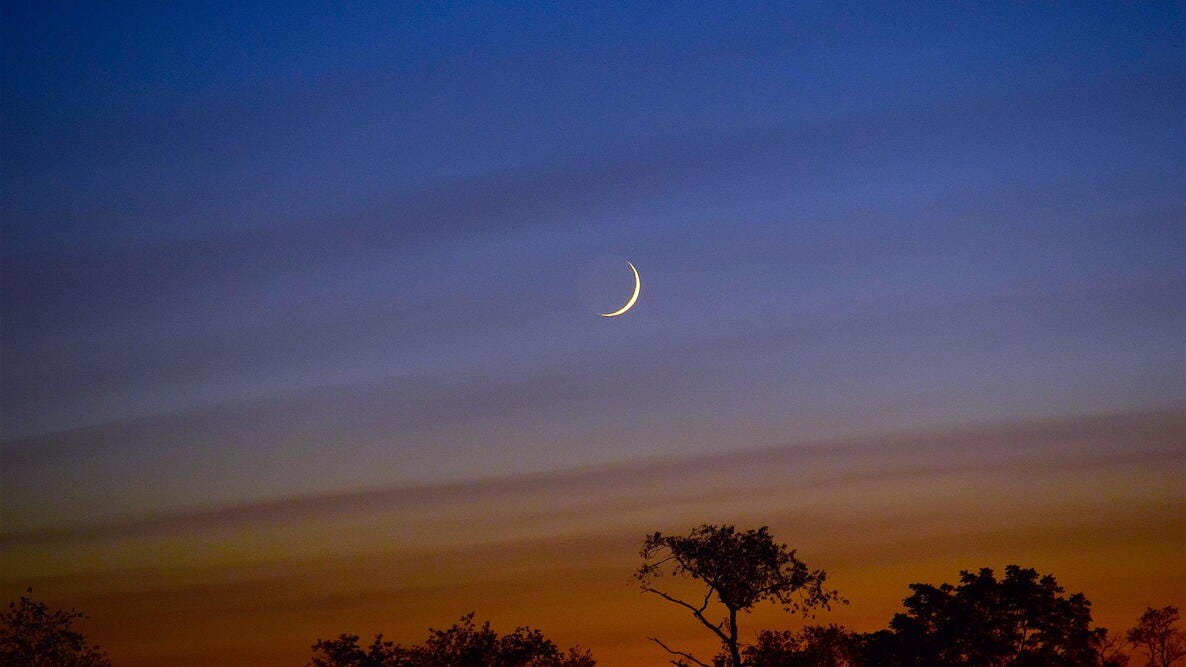
When Ramadan and Lent overlap, they surface an old truth: the nafs is restless, always wanting more. Rumi called this lower self a “dog,” not to shame it, but to remind us it needs guidance. Fasting isn’t punishment; it reshapes desire, trims back excess, and clears space for the heart to bear fruit.
Holding back teaches that we’re not here to devour the world. We’re meant to reflect something higher. Hunger left unchecked only burns, but contained, it becomes light. Sufi wisdom says transformation comes not from indulging every urge or crushing them, but from remembering—aligning our will with the Divine. Paradoxically, surrender is what brings real freedom.
The troubles we face—personal or global—often begin when appetite takes charge and responsibility fades. Modern psychology urges self‑knowledge, but if we never look beyond ourselves, we circle our own egos. Mystics like Ibn Arabi taught that true self‑knowledge reveals the Divine trust within. Fasting becomes a mirror, showing both our impulses and our capacity to rise above them.
Saying “no” for something real brings us back to who we are. We’re not here just to consume, but to witness, serve, and shine a higher Light. A touch of asceticism restores balance—and in that balance, the soul can finally breathe.